


Gavel & Glass Briefing - MOUs, LOIs, and LOAs—Understanding the Differences
Association work depends on collaboration, often prompting professionals to document their early discussions using a memorandum of understanding (MOU), letter of intent (LOI), or letter of agreement (LOA). While the appeal of a shorter, less formal document is understandable, an approachable format does not necessarily mean the agreement is complete or adequately protects the organization. In our latest Gavel & Glass Briefing, we explore the critical differences between these preliminary tools and clarify when each is appropriate to use. By understanding how an MOU captures an initial understanding, how an LOI structures complex negotiations, and why an LOA is a contractual shortcut that warrants careful legal review, association leaders can ensure their contracts evolve securely alongside their business relationships.
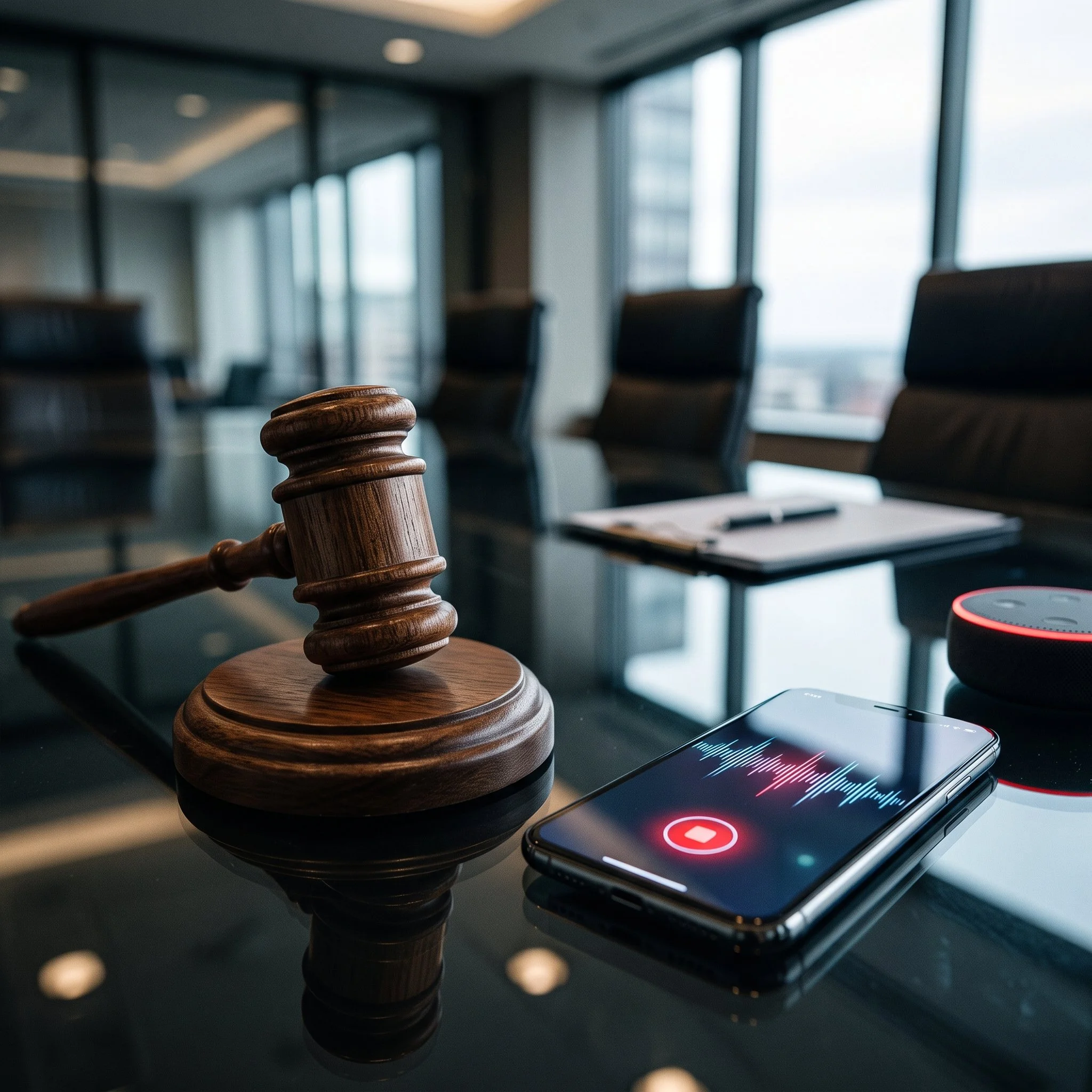
Gavel & Glass Briefing - Meeting Minutes, Recordings, and AI Notetakers
Good governance requires an accurate record of board actions—not a transcript of every discussion. While recording a board meeting or utilizing an AI notetaker may seem like a convenient way to draft minutes, these practices create significant legal vulnerabilities. Recordings and AI-generated summaries create additional information to secure, preserve, and potentially produce in litigation. They can expose highly sensitive discussions, including employee performance concerns, health information, compensation, or disciplinary matters. In our latest Gavel & Glass Briefing, we explore why associations should rely on concise, outcome-driven minutes, strictly prohibit unauthorized recordings, and carefully manage the risks of AI meeting assistants.

Gavel & Glass Briefing - Ancillary Meeting Contracts: The Agreements That Can Make or Break an Event
A hotel agreement may anchor a meeting, but it rarely covers everything needed to deliver it. Audiovisual production, transportation, speakers, caterers, and off-site venues often operate under completely separate contracts. If an essential service falls through, an association may discover that canceling one agreement does not automatically release it from the others.

Gavel & Glass Briefing - Copyright Basics for Associations and Nonprofits: Protection, Registration, and the DMCA
Associations and nonprofits create valuable content every day, but copyright protection and registration are not the same thing. Learn when protection begins, why timely registration can strengthen enforcement, and how the DMCA applies to online content.

Gavel & Glass Briefing - Event Contracts That Support Successful Meetings
A successful association event begins with a contract that addresses more than dates, rates, and room blocks. By clearly defining critical services, costs, performance expectations, and flexibility when circumstances change, organizations can protect both the attendee experience and the event budget.

Gavel & Glass Briefing - Ethical AI Use in Associations: What Leaders Need to Know
Paying for an AI tool does not automatically mean uploaded information is private, generated content is protected by copyright, or the vendor will cover every claim. This article explains common AI risks and the safeguards associations should address in a practical AI use policy.

Gavel & Glass Briefing - Avoiding the Operational Trap: Board Micromanagement and Executive Transitions
An engaged board does not need to become the management team. Learn how the two-lane highway, “nose in, fingers out,” focused board reporting, and a clear executive-transition plan can help nonprofit and association leaders strengthen accountability without micromanagement.

Gavel & Glass Briefing - Maximizing Non-Dues Revenue While Managing UBIT Risk
Corporate sponsorships can strengthen an association’s mission and financial position, but the benefits provided to sponsors matter. Learn how to distinguish permissible sponsorship acknowledgments from advertising, value mixed-benefit packages, and manage UBIT risk while protecting your association’s brand, data, and tax-exempt status.

Gavel & Glass Briefing - Force Majeure in Hotel Event Contracts: Plan for the Unexpected
Force majeure is not a universal right to cancel an event without cost. Learn how associations can use clear, mutual contract language to prepare for serious disruptions, protect attendee interests, and establish practical next steps with the hotel.